
This company has no active jobs

Manual Walking Treadmill
About Us
What’s The Job Market For Treadmill Non Electric Professionals?
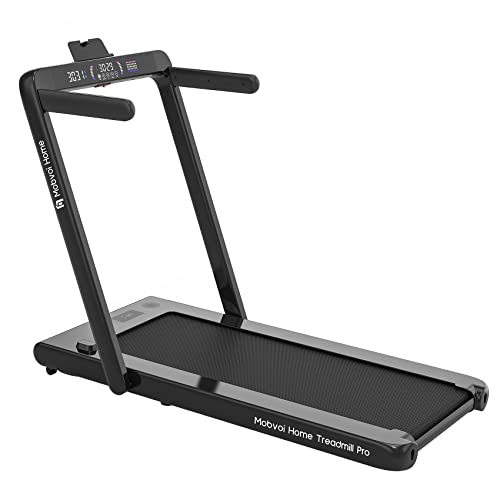
Treadmill Non-Electric: The Eco-Friendly Fitness Solution
In a period dominated by electric machines and high-tech devices, the modest non-electric treadmill sticks out as a beacon of simplicity and effectiveness. Typically eclipsed by their state-of-the-art counterparts, Non Electric Running Machine-electric treadmills offer various advantages that cater to a sustainable way of life and a solid workout. This article will check out the benefits, functionality, and range of non-electric treadmills, making a strong case for their role in modern-day fitness routines.
What is a Non-Electric Treadmill?
A non-electric treadmill, also referred to as a manual treadmill, operates without electric power. Instead, it depends on the user’s energy to move the belt. This kind of treadmill normally has a curved or flat running surface area and a belt that moves as the user strolls or runs, thus providing a full-body cardiovascular workout.
Key Features of Non-Electric Treadmills
| Feature | Description |
|---|---|
| Source of power | Manual operation (user-powered) |
| Design | Curved or flat treadmill surface |
| Portability | Typically lightweight and simple to move |
| Durability | Less mechanical components; frequently made from premium materials |
| Expense | Typically more budget friendly than electric treadmills |
| Footprint | Usually smaller, making them appropriate for minimal areas |
| Sound Level | Quieter operation compared to electric variations |
The Advantages of Non-Electric Treadmills
1. Eco-Friendly
Non Motorised Treadmill-electric treadmills are a sustainable option for fitness lovers. Without any electricity intake, they reduce carbon footprints and total energy usage.
2. Cost-Effective
With fewer mechanical components and no circuitry systems, non-electric treadmills are generally more inexpensive. This makes them available and appealing to people aiming to maintain a healthy way of life without breaking the bank.
3. Increased Workout Intensity
Since the user powers the belt, they have full control over their exercise’s strength. The more difficult you push, the more calories you burn. This self-powered feature encourages a more engaged exercise, pressing limitations for a much better physical fitness outcome.
4. Compact and Portable Design
A lot of non-electric treadmills have a lightweight building and construction and smaller footprint, making them easy to store and transport. This feature enables users to integrate cardio workouts into various settings, whether in your home, in the workplace, or at a fitness center.
5. Lower Maintenance
Non-electric treadmills have fewer moving parts than electric versions, which equates to reduce upkeep costs and less mechanical failures over time.
Types of Non-Electric Treadmills
Non-electric treadmills been available in different designs to deal with varied physical fitness needs. Here’s a brief summary:
| Type | Description |
|---|---|
| Curved Manual Treadmill | Features a curved running surface area for a natural gait. Excellent for running and interval workouts. |
| Flat Manual Treadmill | An uncomplicated style similar to standard treadmills however powered by the user’s movement. |
| Foldable Manual Treadmill | Compact design that can be quickly folded and kept away when not in use. Perfect for little home. |
| All-Terrain Manual Treadmill | Developed for outside usage, these Treadmills In Uk typically include a rugged build and traction control. |
Regularly Asked Questions (FAQ)
1. Are non-electric treadmills suitable for novices?
Yes, non-electric treadmills can be appropriate for beginners. Users can adjust the intensity and speed of their workouts based upon their physical fitness level.
2. Can I use a non-electric treadmill for running?
Absolutely! Lots of non-electric treadmills, especially curved models, are created for running. Their self-powered nature enables users to take part in jogging or sprinting.
3. What kinds of exercises can I carry out on a non-electric treadmill?
Users can participate in numerous workouts, including walking, running, running, interval training, and even hill workouts by changing their position.
4. How do I maintain a non-electric treadmill?
Basic maintenance consists of routinely checking the belt for wear, guaranteeing it is focused, and cleaning the surface area to prevent particles from impacting motion.
5. Are non-electric treadmills noisy?
Non-electric treadmills tend to be quieter than electric ones, as they do not have motors that can produce sound. Users may still produce sound based on their speed and weight.
Tips for Maximizing Your Non-Electric Treadmill Workouts
To get the most out of your non-electric treadmill sessions, consider the following suggestions:
-
Warm-Up Properly: Always begin with a warm-up session to prepare your body for the workout.
-
Incorporate Interval Training: Alternate in between high-intensity sprints and moderate walking to improve calorie burn and improve endurance.
-
Focus on Form: Maintain correct posture and kind while running to lower the threat of injury.
-
Hydration is Key: Keep water nearby to stay hydrated throughout your exercises.
-
Track Your Progress: Use a fitness tracker or mobile phone to monitor your exercise efficiency and progress with time.
The non-electric treadmill stands out as a long-lasting, environment-friendly piece of workout equipment that efficiently deals with both newbies and seasoned fitness lovers. With its plethora of advantages, including cost-effectiveness, ease of use, and mobility, it provides a sustainable option in the evolving physical fitness landscape. For those seeking to simplify their exercises while welcoming an active lifestyle, non-electric treadmills could be the ideal solution. It’s time to redefine your exercise experience away from the interruptions of innovation and toward the essentials that keep you fit and healthy!