
This company has no active jobs

Shipping Container Housing
About Us
Ten Ways To Build Your Refrigerated Shipping Containers Empire
Understanding Refrigerated Shipping Containers: An Essential Guide
In the worldwide supply chain, the transport of temperature-sensitive products is essential. Refrigerated shipping containers, likewise called reefer containers, play a significant role in preserving the stability of perishable products throughout transit. This post will dig into the performance, benefits, and kinds of refrigerated shipping containers while attending to frequently asked questions.
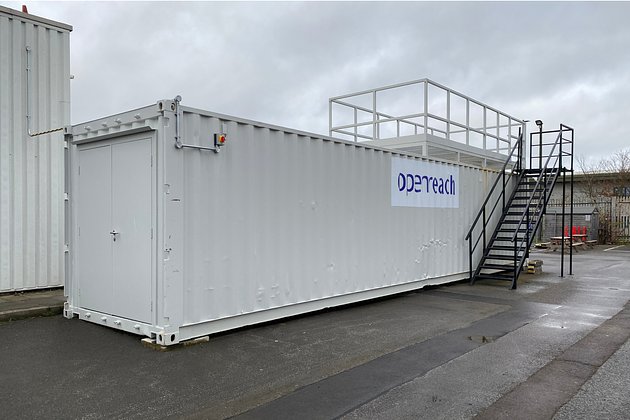
What are Refrigerated Shipping Containers?
Refrigerated shipping containers are specialized cargo containers geared up with refrigeration units. They keep a low temperature level to make sure that products such as food, pharmaceuticals, and chemicals stay safe and undeteriorated throughout transit. These containers can be used for land, sea, and air transport, offering versatile options for logistics specialists.
Table 1: Key Features of Refrigerated Shipping Containers
| Function | Description |
|---|---|
| Temperature Range | Usually varies from -30 ° C to +30 ° C, depending upon the product being kept Insulation Made |
| from premium | products to decrease thermal exchange Cooling Mechanism Makes use of |
| mechanical refrigeration | systems powered by electrical power or generator Size Available in basic sizes( 20ft and 40ft)and |
| custom sizes Portability Equipped with long lasting wheels for simple transport Adaptability Suitable for land | , Sea Containers, or air transportation Kinds Of Refrigerated Shipping Containers Refrigerated |
| shipping containers been available in different types, each developed for specific purposes |
. Here’s a list of the main types of
reefer containers. Standard Reefer Containers Typically used for transporting a range of disposable products. Offered in 20ft and 40ft sizes. Controlled Atmosphere Containers
-
Maintain an optimum environment to lengthen the
- Flat Rack Containers life of delicate products like vegetables and fruits.
- Equipped with specialized gas control systems. Blast Freezer Containers Developed for rapidly freezing products
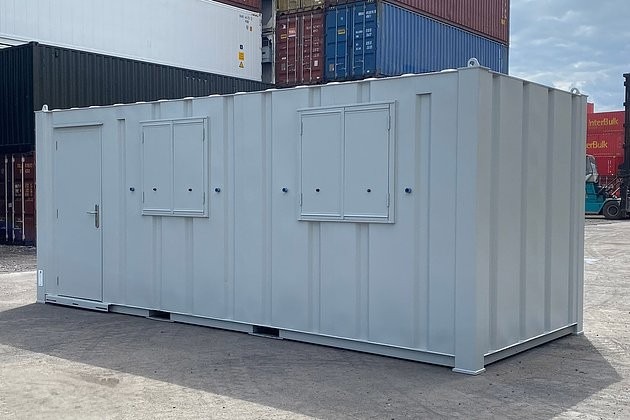
- , promoting quick temperature reduction to protect quality. Ideal for seafood and meat processing industries.
- Multi-Temperature Containers Capable of transporting products at various
-
temperature zones simultaneously. Beneficial
- for combined cargo, allowing versatile logistics solutions. Insulated Containers Mainly
- created to keep temperature level for longer transit times without active refrigeration systems. Frequently used for products that can tolerate moderate
- temperature variations. Table 2: Comparison of Refrigerated Shipping Container Types Type
- Suitable Use Temperature level Control Standard Reefer General perishables Active refrigeration ManagedAtmosphere Fruits, veggies Gas control systems Blast Freezer Seafood, meat Rapid freezing capability Multi-Temperature Combined cargo Several compartments Insulated Non-sensitive items Passive temperature level control Benefits of Refrigerated Shipping Containers Refrigerated shipping containers use different advantages that make them vital in the logistics
market: Quality Preservation By keeping a constant temperature, these containers help protect the nutritional worth and freshness of food. Extended Shelf Life Temperature controls considerably extend the service life of disposable goods, lowering waste and loss. Logistical Flexibility Reefer containers can be transferred through multiple modes, making them appropriate for worldwide Shipping Container Modifications. Environmental Safety Using these containers reduces putridity, therefore lessening food waste and its involved ecological impact. Improved Security Lots of reefer containers come with advanced security functions that safeguard cargo from external risks. FAQ about Refrigerated Shipping Containers Q1: What temperature level range can refrigerated
shipping containers maintain?A1: Most refrigerated shipping containers can keep temperature levels in between -30 ° C to +30 ° C, depending on the system’s specs and the products being carried.
-
Q2: Do refrigerated shipping containers require electricity?A2: Yes, refrigerated containers typically require an external source of power to operate their cooling systems.
-
However, some models can work on generator power as well. Q3: Can I ship non-perishable products in a reefer container?A3: While it’s possible, it might not be affordable to deliver non-perishable
-
goods in refrigerated containers
- due to the high functional expenses. Q4: How do I pick the best type of refrigerated container?A4: The option depends on the type of product, needed
-
temperature level, and shipping duration
- . Consulting a logistics specialist can help identify the very best choice. Q5: What is the distinction between active and passive temperature control?A5: Active cooling systems use refrigeration units to keep temperature level, whereas passive systems count on insulation to prevent temperature changes without active cooling. Refrigerated shipping containers have changed the way perishable products are transported across the world. With their ability to keep low temperatures and safeguard sensitive items, these essential possessions improve freshness, lower waste, and enable higher logistical versatility. Whetherit’s seafood, pharmaceuticals, or fresh fruits and veggies, reefer containers contribute substantially to the international food supply and other delicate industries, making them necessary for
guaranteeing quality from farm to table and beyond. Understanding how they work and thedifferent types readily available can assist businesses make more educated decisions, ultimately benefiting both providers and customers alike.
- . Consulting a logistics specialist can help identify the very best choice. Q5: What is the distinction between active and passive temperature control?A5: Active cooling systems use refrigeration units to keep temperature level, whereas passive systems count on insulation to prevent temperature changes without active cooling. Refrigerated shipping containers have changed the way perishable products are transported across the world. With their ability to keep low temperatures and safeguard sensitive items, these essential possessions improve freshness, lower waste, and enable higher logistical versatility. Whetherit’s seafood, pharmaceuticals, or fresh fruits and veggies, reefer containers contribute substantially to the international food supply and other delicate industries, making them necessary for